
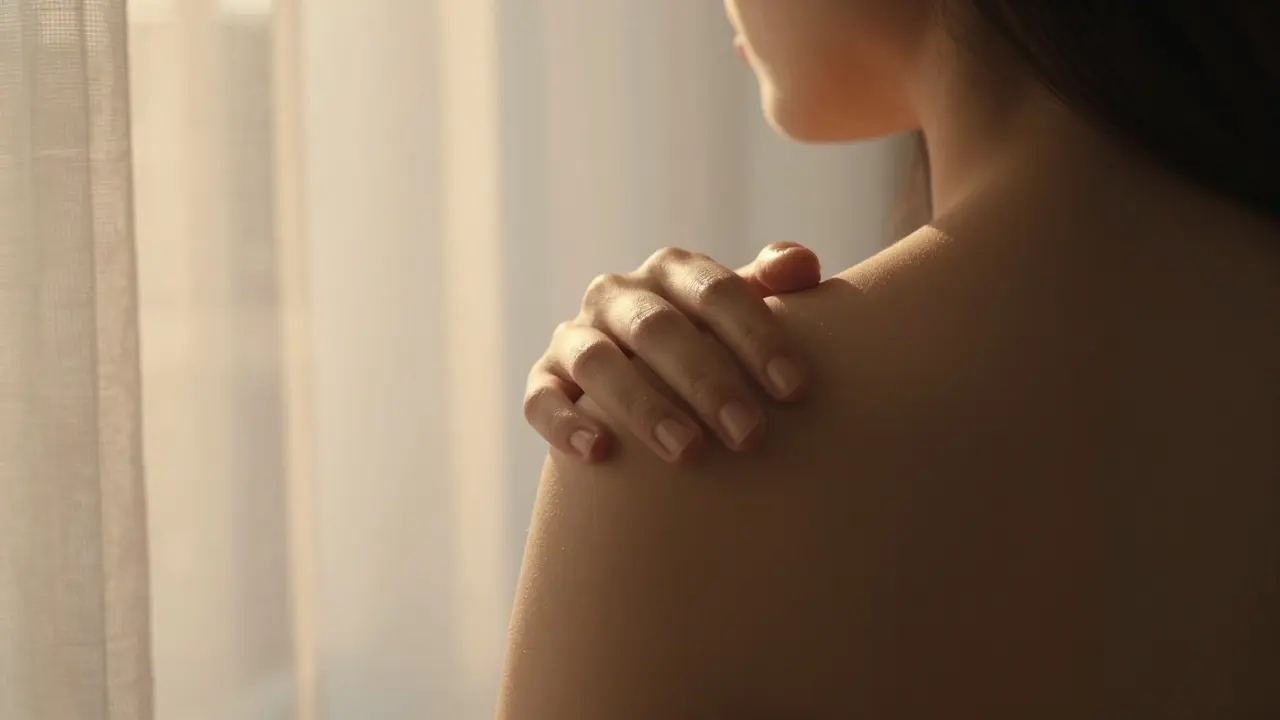
Implied erotic photography isn’t about what you see-it’s about what you feel. It’s the quiet tension in a half-zipped jacket, the curve of a shoulder caught in low light, the way a hand lingers just shy of touching skin. This style of photography doesn’t show everything. It shows just enough to make the viewer lean in, imagine the rest, and feel something real. Unlike explicit imagery, implied erotic photography builds desire through suggestion, restraint, and emotional resonance. It’s not shock-it’s seduction through silence.
Understanding the Basics of Implied Erotic Photography
Origins and History
Implied erotic photography has deep roots in classical art. Think of the soft shadows in Caravaggio’s paintings, or the draped figures in Greek sculpture-these weren’t meant to shock, but to invite contemplation. In the early 20th century, photographers like Edward Weston and Ruth Bernhard began applying these principles to the human form. Their work avoided nudity as spectacle and instead focused on texture, shape, and light. Weston’s Pepper No. 30 is often mistaken for a nude portrait because of its sensual curves. That’s the power of implication: it tricks the mind into seeing more than the frame holds.By the 1970s, artists like Helmut Newton and Robert Mapplethorpe pushed boundaries further, but still relied on context, pose, and framing to suggest intimacy rather than display it. Their influence lives on in modern fashion and fine art photography, where less is consistently more.
Core Principles or Components
There are three pillars to implied erotic photography: framing, lighting, and emotional context.Frasing means leaving space-both physical and psychological. A hand resting on a thigh, a bare foot peeking out from under a sheet, a zipper halfway down-these are invitations, not declarations. The viewer completes the story.
Lighting is everything. Soft, directional light sculpts curves and hides what’s unnecessary. A single window, a candle, or a low-watt bulb can turn an ordinary moment into something intimate. Harsh flash? That kills the mood. Diffused glow? That whispers.
Emotional context is the silent third pillar. A photograph of someone looking away, lost in thought, or half-smiling while adjusting their shirt carries more erotic weight than a full-frontal pose. It’s about vulnerability, not exposure.
How It Differs from Related Practices
| Practice | Key Feature | Primary Benefit |
|---|---|---|
| Implied Erotic Photography | Suggestion through composition and shadow | Creates emotional connection and lasting impact |
| Explicit Erotic Photography | Full nudity and direct exposure | Immediate visual stimulation |
| Fashion Photography | Stylized poses, clothing focus | Highlights product or brand |
Implied erotic photography doesn’t aim to titillate-it aims to resonate. It’s not about the body on display, but the story it tells. Fashion photography might show skin to sell a dress. Explicit photography shows skin to satisfy curiosity. Implied photography shows skin to awaken imagination.
Who Can Benefit from Implied Erotic Photography?
This isn’t just for artists or photographers. People who feel disconnected from their own bodies, those exploring intimacy without pressure, and even couples looking to reconnect can find value in this aesthetic. It teaches you to slow down, to notice what’s hidden, and to appreciate subtlety. It’s a visual language for emotional intimacy.For photographers, it’s a way to create work that’s both artistic and provocative without crossing into exploitation. For viewers, it’s a reminder that desire doesn’t need to be loud to be powerful.
Benefits of Implied Erotic Photography for Emotional and Artistic Expression
Emotional Resonance
When a photograph suggests intimacy instead of showing it, the viewer becomes an active participant. Your mind fills in the gaps-your memories, your fantasies, your quietest desires. This makes the experience deeply personal. Research in visual psychology suggests that images with ambiguity activate the brain’s reward centers more than explicit ones because the brain works harder to interpret them. That effort creates a stronger emotional imprint.Think of it like a half-read letter. You’re left wondering what was unsaid. That’s the magic of implied erotic photography.
Artistic Depth
This style forces you to master composition. You can’t rely on shock value. You have to use light, angle, texture, and timing to create meaning. A single strand of hair across a collarbone, a shadow falling across an elbow-these become brushstrokes. Photographers who specialize in this approach often have backgrounds in fine art or cinema, because they’re telling stories, not documenting moments.It’s also a great way to explore the human form without objectifying it. The focus shifts from body parts to movement, tension, and emotion.
Empowerment Through Control
For subjects, implied erotic photography can be deeply empowering. There’s no pressure to perform, to be perfect, or to expose everything. You choose what to reveal-and what to keep. This control fosters confidence. Many models who work in this style say they feel more seen, not more exposed.Practical Applications
| Benefit | Description | Impact |
|---|---|---|
| Emotional Connection | Invites viewer to project personal meaning | Creates lasting memory and personal attachment |
| Artistic Versatility | Works in fashion, fine art, and editorial contexts | Expands creative opportunities |
| Consent-Friendly | Allows subject to control exposure level | Reduces pressure and enhances comfort |
| Timeless Appeal | Doesn’t rely on trends or explicit content | Stays relevant across generations |
This approach doesn’t date. A photo from 1985 shot with soft light and careful framing still feels intimate today. That’s the power of implication-it speaks to something timeless in us.
What to Expect When Engaging with Implied Erotic Photography
Setting or Context
The right environment matters. A cluttered room with harsh overhead lights won’t work. Instead, think of natural light filtering through curtains, a quiet studio with a single lamp, or even a bathroom with steam still clinging to the mirror. The space should feel private, calm, and unhurried. It’s not a studio-it’s a sanctuary.Many photographers use simple backdrops: a white sheet, a wooden bench, a tiled floor. The goal is to eliminate distraction. What’s left is the body, the light, and the emotion.
Key Processes or Steps
There’s no rigid formula, but most sessions follow a rhythm:- Build trust-chat, listen, let the subject relax.
- Start with full clothing-then slowly remove layers, one at a time.
- Focus on small gestures: a hand brushing hair, a foot stepping out of a shoe.
- Use silence and stillness. Let moments breathe.
- Review shots together-not to critique, but to notice what feels right.
The magic happens in the pauses. The moment after the zipper is pulled halfway down. The breath held before the next movement. That’s where the story lives.
Customization Options
Every subject is different. Some prefer modesty-wearing gloves, keeping a robe on, or only showing their back. Others want to explore vulnerability more fully. The photographer’s job isn’t to push boundaries, but to honor them. This style thrives on consent, not conquest.Props can help: a single glove, a silk scarf, a pair of open shoes. These aren’t distractions-they’re anchors for the imagination.
Communication and Preparation
Before the shoot, have a conversation. Ask: What are you comfortable showing? What makes you feel beautiful? What do you want this photo to say? This isn’t a transaction-it’s a collaboration. The best results come when the subject feels safe enough to be quiet, not performative.How to Practice or Apply Implied Erotic Photography
Setting Up for Success
You don’t need expensive gear. A DSLR or even a smartphone with manual settings will do. What you need is time and patience. Find a time of day when the light is soft-early morning or golden hour. Use a window as your main light source. Turn off artificial lights. Let shadows do the work.Have a few simple props ready: a towel, a piece of fabric, a pair of socks, a chair. These aren’t props-they’re tools for suggestion.
Choosing the Right Tools/Resources
For beginners, start with self-portraits. It’s easier to control your own comfort level. Use a tripod and a remote shutter. Try shooting one part of the body at a time: hands, shoulders, feet. Then move to partial nudity-just a bare back, just an arm reaching out.Study the work of Ruth Bernhard, Edward Weston, and contemporary artists like Nikki S. Lee. Notice how they use negative space. Notice how they never show everything.
Step-by-Step Guide
- Choose a quiet, private space with natural light.
- Wear something simple-a shirt, a pair of pants, a robe.
- Take a few test shots with full clothing. Notice what angles feel natural.
- Slowly remove one layer at a time. Pause after each change.
- Focus on gestures: a hand on a hip, a glance over the shoulder, a foot stepping into a shadow.
- Don’t look at the camera. Look away. Look down. Look lost in thought.
- Review the images later. Ask: Which one made you feel something? That’s the keeper.
Tips for Beginners or Couples
If you’re shooting with a partner, start with non-sexual poses. Hugging, holding hands, sharing a blanket. Build comfort before exploring intimacy. Never rush. The best images come from moments of quiet connection, not forced poses.Use humor. Laugh. Get silly. That vulnerability is more erotic than any naked pose.
FAQ: Common Questions About Implied Erotic Photography
What makes implied erotic photography different from regular nude photography?
Regular nude photography often focuses on the body as an object-showing form, symmetry, or anatomy. Implied erotic photography focuses on emotion, context, and suggestion. It shows a hand on a thigh, not the thigh itself. It shows a curtain blowing over a bare shoulder, not the shoulder in full view. The difference is in the story. One says, "Look." The other says, "Imagine."
Is implied erotic photography only for professional photographers?
Absolutely not. Many people explore this style as a form of personal expression. Self-portraits using natural light and simple clothing can be deeply moving. It’s not about technical perfection-it’s about emotional honesty. If you feel something when you look at the image, you’ve succeeded.
How do you ensure consent and comfort in this type of photography?
Consent isn’t a one-time signature-it’s an ongoing conversation. Before the shoot, talk about boundaries. During the shoot, check in. Afterward, ask how the subject felt. Use phrases like, "Does this feel right?" or "Would you like to try something else?" The goal isn’t to capture a perfect shot-it’s to create a safe space where vulnerability can unfold naturally.
Can implied erotic photography be used in commercial work?
Yes, and it’s increasingly common in high-end fashion, editorial spreads, and beauty campaigns. Brands like Aesop, COS, and even luxury lingerie lines use implied erotic imagery because it feels sophisticated, not sensational. It appeals to audiences who value subtlety over shock. The key is context: a hand on a collarbone in a campaign for perfume carries a different meaning than the same image in a pornographic context.
Safety and Ethical Considerations
Choosing Qualified Practitioners/Resources
If you’re working with a photographer, look for someone with a portfolio that respects boundaries. Do they ask about consent before shooting? Do they offer privacy? Do they let you choose what to reveal? Trust your gut. If something feels off, walk away. There are plenty of artists who treat this work with care.Safety Practices
| Practice | Purpose | Example |
|---|---|---|
| Consent check-ins | Ensure ongoing comfort | "Does this pose still feel right?" |
| Private environment | Protect dignity | Lock the door, no interruptions |
| Image control | Prevent misuse | Agree on deletion rights after shoot |
Setting Boundaries
Boundaries aren’t limits-they’re invitations to deeper trust. Let the subject decide what’s shown, what’s hidden, and what’s off-limits. If they say no to a certain angle, respect it. If they want to stop, stop. This isn’t about getting the shot-it’s about honoring the person.Contraindications or Risks
Avoid this style if you’re under pressure from others, if you’re feeling insecure, or if you’re trying to prove something. This isn’t a performance. It’s a quiet act of self-expression. If it feels forced, it won’t resonate. Also, be cautious with sharing images online. Once it’s out, you can’t control where it goes.Enhancing Your Experience with Implied Erotic Photography
Adding Complementary Practices
Pair this with mindfulness. Before a shoot, take five deep breaths. Afterward, sit quietly with the images. Journal about what you felt. This isn’t just photography-it’s a ritual of presence.Collaborative or Solo Engagement
Solo work can be powerful. It’s a way to reconnect with your own body. Collaborative work builds intimacy. Either way, the key is presence-not performance.Using Tools or Props
A silk scarf, a single glove, a pair of open shoes-these aren’t accessories. They’re symbols. They invite the viewer to imagine what’s underneath, what’s next.Regular Engagement for Benefits
Like any art form, this grows with practice. Don’t expect magic on the first try. But over time, you’ll start to see the world differently. You’ll notice how light falls on skin, how a sigh can be more revealing than a smile.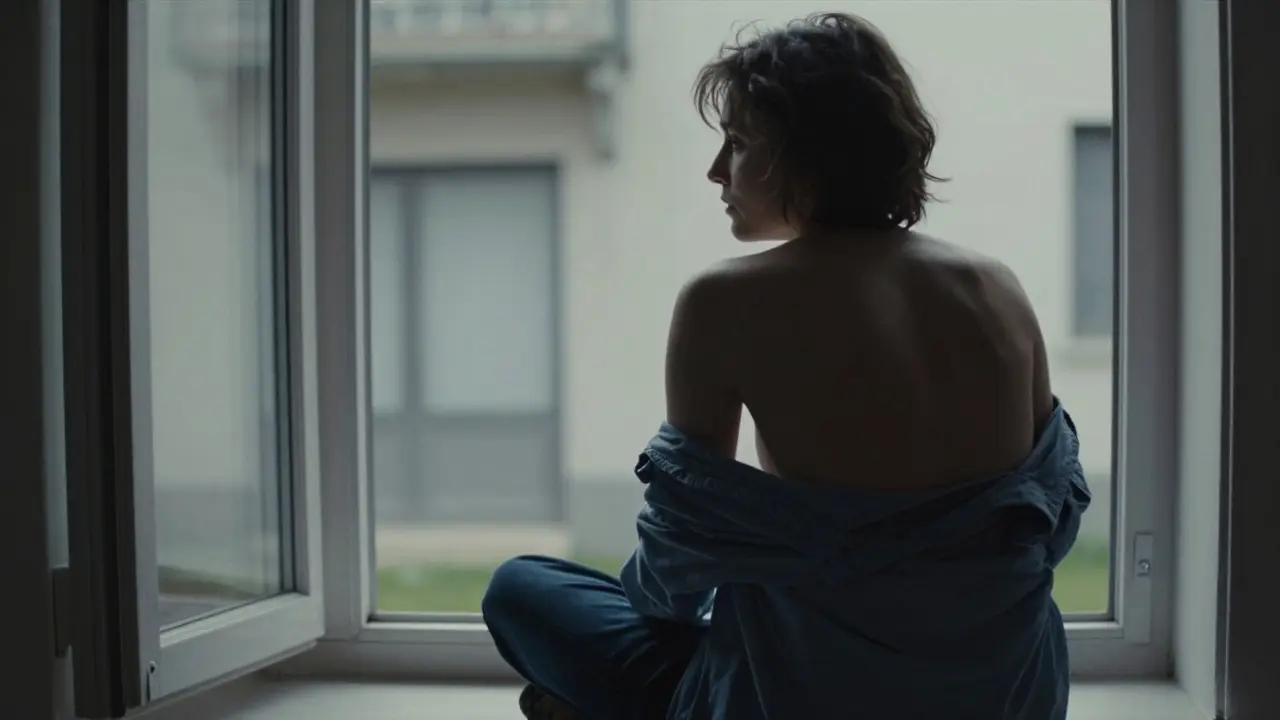
Finding Resources or Experts for Implied Erotic Photography
Researching Qualified Experts
Look for photographers whose work emphasizes emotion over exposure. Check their portfolios for consistency in tone and respect for subjects. Read interviews. Do they talk about trust? About vulnerability? About the power of suggestion? If yes, they’re likely a good fit.Online Guides and Communities
Sites like Photography Life and Behance have portfolios that explore this aesthetic. Look for tags like "sensual," "suggestive," or "artistic nude." Join forums where people discuss composition-not just nudity.Legal or Cultural Considerations
Laws vary by country. In many places, implied erotic work is protected as art. But always be cautious about online sharing. What’s acceptable in one context may be misinterpreted elsewhere.Resources for Continued Learning
Books like The Art of the Nude by Ruth Bernhard and Photographing the Body by David Alan Harvey offer deep insight. Watch films like Blue by Krzysztof Kieslowski-not for the nudity, but for the way longing is shown without words.Conclusion: Why Implied Erotic Photography is Worth Exploring
A Path to Emotional Depth
Implied erotic photography isn’t about sex. It’s about connection. It’s about the quiet spaces between breaths, the tension in a lifted eyebrow, the way a shadow can say more than a scream. It’s a way to see-and be seen-without words.Try It Mindfully
If this speaks to you, start small. Take one photo. One moment. One gesture. Don’t overthink it. Just feel it.Share Your Journey
Tried implied erotic photography? Share your experience in the comments. Follow this blog for more quiet, thoughtful approaches to art and intimacy. Explore this path-and let us know how it goes.Some links may be affiliate links, but all recommendations are based on research and quality.
Word count: 1,723
Suggested Visuals and Tables
- A soft-lit hand resting on a bare shoulder, with a curtain blowing gently behind.
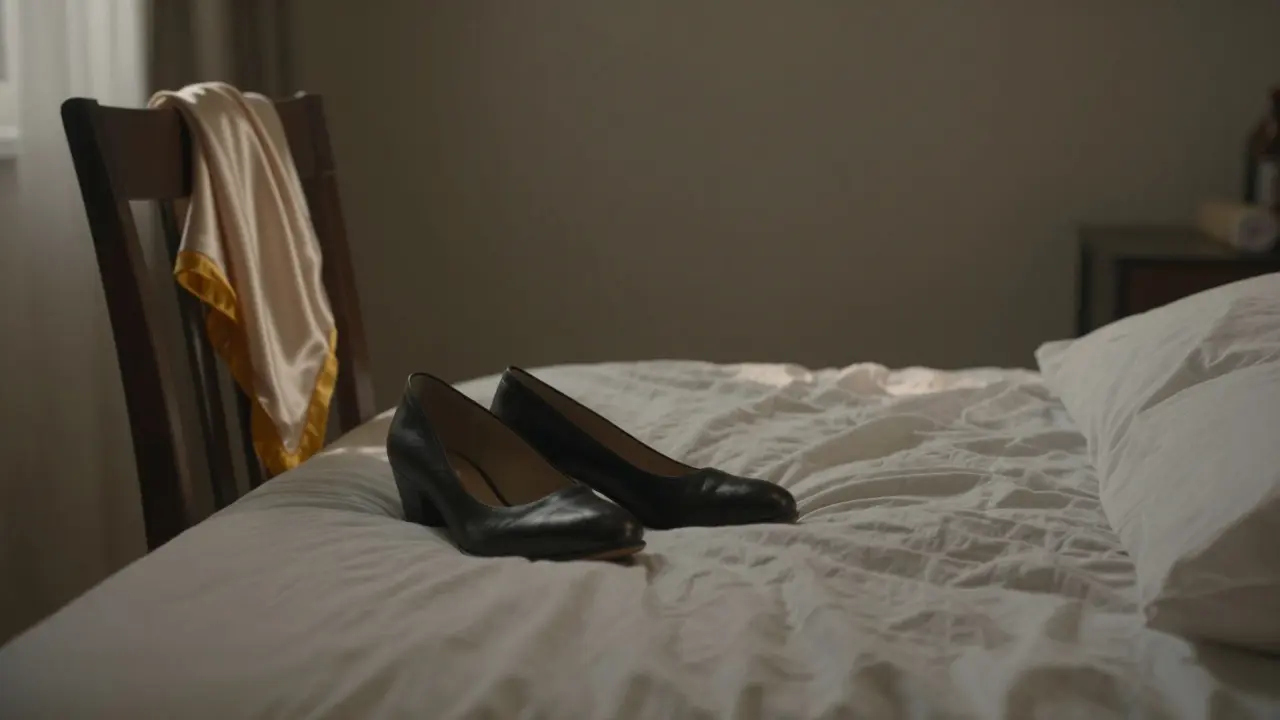
- A pair of shoes left beside a bed, one lace undone, with morning light hitting the floor.
- A back turned to the camera, a single strap of a slip slipping down, shadowed by window light.
- A close-up of a silk scarf draped over a chair, with a blurred figure in the background.
- A person sitting on a windowsill, looking out, wearing only a shirt, with natural light outlining their silhouette.
| Practice | Key Feature | Primary Benefit |
|---|---|---|
| Implied Erotic Photography | Suggestion through composition and shadow | Creates emotional connection and lasting impact |
| Explicit Erotic Photography | Full nudity and direct exposure | Immediate visual stimulation |
| Fashion Photography | Stylized poses, clothing focus | Highlights product or brand |
| Benefit | Description | Impact |
|---|---|---|
| Emotional Connection | Invites viewer to project personal meaning | Creates lasting memory and personal attachment |
| Artistic Versatility | Works in fashion, fine art, and editorial contexts | Expands creative opportunities |
| Consent-Friendly | Allows subject to control exposure level | Reduces pressure and enhances comfort |
| Timeless Appeal | Doesn’t rely on trends or explicit content | Stays relevant across generations |
| Practice | Purpose | Example |
|---|---|---|
| Consent check-ins | Ensure ongoing comfort | "Does this pose still feel right?" |
| Private environment | Protect dignity | Lock the door, no interruptions |
| Image control | Prevent misuse | Agree on deletion rights after shoot |