

The Allure of Bondage: Understanding Its Mystique and Safe Practice
When people think of bondage, they often picture Hollywood scenes or exaggerated stereotypes. But real-life bondage is far more nuanced - a deeply personal, consensual practice that many find calming, empowering, or even spiritual. It’s not about control in the traditional sense; it’s about trust, surrender, and connection. Whether you’re curious, new, or looking to deepen your experience, understanding bondage means moving past the myths and into the reality of what it offers: a space where boundaries are respected, communication is sacred, and sensation becomes a language.
Understanding the Basics of Bondage
Origins and History
Bondage has roots stretching back centuries, long before modern BDSM culture emerged. Ancient art from Greece and Japan shows figures bound in ritualistic or erotic contexts. In Edo-period Japan, shibari - the art of rope bondage - evolved from hojojutsu, a method of restraining prisoners, into an aesthetic and emotional practice. Meanwhile, in Europe, bondage appeared in erotic literature and underground societies as early as the 18th century. Today, it’s part of a broader spectrum of consensual power exchange, shaped by psychology, art, and personal expression. It’s not a trend. It’s a practice with depth, history, and cultural significance.
Core Principles or Components
At its heart, bondage is built on three pillars: consent, communication, and care. Consent isn’t just a yes - it’s an ongoing, enthusiastic agreement that can be withdrawn at any moment. Communication means checking in before, during, and after. Care involves safety checks, awareness of circulation, nerve pressure, and emotional state. The physical act - ropes, cuffs, chains - is just the surface. The real work happens in the quiet moments: the whispered ‘red’ signal, the slow release of tension, the shared breath after release. It’s not about how tight it is. It’s about how safe and present you both feel.
How It Differs from Related Practices
Bondage is often lumped in with other BDSM activities, but it’s distinct. While domination or sadomasochism focus on power dynamics or pain, bondage centers on restriction and sensation. You can practice bondage without any pain, role-play, or dominance - just the feeling of being held, contained, or suspended. Here’s how it compares:
| Practice | Key Feature | Primary Benefit |
|---|---|---|
| Bondage | Physical restriction using ropes, cuffs, or fabric | Enhanced sensory awareness and trust |
| Domination/Submission | Power exchange through roles and commands | Emotional release and identity exploration |
| Impact Play | Use of paddles, floggers, or hands for sensation | Endorphin release and adrenaline rush |
Who Can Benefit from Bondage?
Bondage isn’t for everyone - and that’s okay. But for those who try it, benefits often surprise them. People seeking relief from anxiety report feeling grounded after being gently restrained. Others find it helps them disconnect from overthinking. Couples use it to rebuild intimacy through focused touch and eye contact. Even individuals practicing solo bondage report improved mindfulness. You don’t need to identify as BDSM to benefit. If you crave stillness, connection, or a break from constant stimulation, bondage might speak to you in ways you didn’t expect.
Benefits of Bondage for Mind and Body
Stress Reduction
When your body is safely held in place, your mind often follows. Many describe the experience as similar to deep meditation or weighted blanket therapy - but more active. The physical restriction triggers a parasympathetic response, slowing heart rate and lowering cortisol. One 2021 survey of over 2,000 adults in consensual bondage practices found that 78% reported reduced anxiety levels after sessions, with many noting a sense of calm that lasted hours. It’s not magic. It’s neurobiology. When you stop fighting against movement, your nervous system finally relaxes.
Enhanced Connection
Bondage demands presence. You can’t scroll through your phone or zone out. You’re locked into the moment - with your partner, with your breath, with your body. For couples, this can reignite intimacy. Eye contact becomes more meaningful. Whispered reassurances carry more weight. Even simple acts like adjusting a rope or checking for numbness become acts of care. It’s not about the knots. It’s about the attention.
Emotional Well-Being
Bondage can be a powerful tool for emotional release. For some, surrendering control brings relief from the pressure of always having to be in charge - at work, at home, in relationships. Others find empowerment in choosing to be bound, reclaiming agency through consent. It’s not about losing yourself. It’s about choosing where to place your focus. Many report feeling lighter afterward, as if emotional weight has been temporarily lifted.
Practical Applications
The benefits of bondage don’t stay in the bedroom. People use the same principles - mindfulness, breath control, presence - in daily life. One user described learning to pause before reacting during stressful meetings after practicing bondage. Another said they started meditating daily because the stillness they found in bondage made them crave it elsewhere. It’s not about the ropes. It’s about the awareness they cultivate.
| Benefit | Description | Impact |
|---|---|---|
| Stress Reduction | Triggers relaxation response through physical containment | Lower cortisol, improved sleep |
| Improved Communication | Requires clear, ongoing dialogue | Stronger relationships, emotional literacy |
| Mindfulness | Forces focus on bodily sensations | Reduced anxiety, better emotional regulation |
| Intimacy Building | Deepens trust through vulnerability | Greater emotional connection |
What to Expect When Engaging with Bondage
Setting or Context
You don’t need a dungeon. A quiet bedroom, a soft rug, dim lighting, and a calm atmosphere are enough. Temperature matters - you’ll be still for a while, so make sure you’re warm. Have blankets nearby. Music helps some, silence helps others. The space should feel safe, private, and free from interruptions. For beginners, starting in a familiar place reduces anxiety. This isn’t about aesthetics. It’s about comfort.
Key Processes or Steps
There’s no single way, but most sessions follow a rhythm:
- Discussion - what you’re trying to achieve, limits, safewords
- Preparation - checking equipment, ensuring no sharp edges
- Application - slow, deliberate binding, checking in often
- Duration - anywhere from 5 minutes to an hour, depending on comfort
- Release - gentle, slow, with reassurance and aftercare
Customization Options
Bondage is endlessly adaptable. You can use silk scarves, leather cuffs, rope, or even fabric ties. You can bind wrists, ankles, or just one hand. You can be tied to a bed, a chair, or stand freely. You can be blindfolded or not. You can be passive or encouraged to move within limits. The goal isn’t to look like a magazine photo. It’s to feel aligned with your needs that day.
Communication and Preparation
Before anything happens, talk. Not just about what you’ll do - but why. What do you hope to feel? What scares you? What’s your safeword? (Many use ‘red’ for stop, ‘yellow’ for slow down.) Check in every 5-10 minutes. Ask: ‘How’s your circulation?’ ‘Are you breathing okay?’ ‘Do you want to stop?’ Never assume. Always ask.
How to Practice or Apply Bondage
Setting Up for Success
Start simple. Use a soft scarf or a silk tie. Practice on yourself first - gently tying your wrists behind your back for a few minutes. Notice how your body reacts. Then try it with a partner. Always have scissors nearby - not just for emergencies, but to normalize safety. Keep a glass of water and a towel ready. Make sure the floor isn’t slippery. This isn’t a performance. It’s a practice.
Choosing the Right Tools
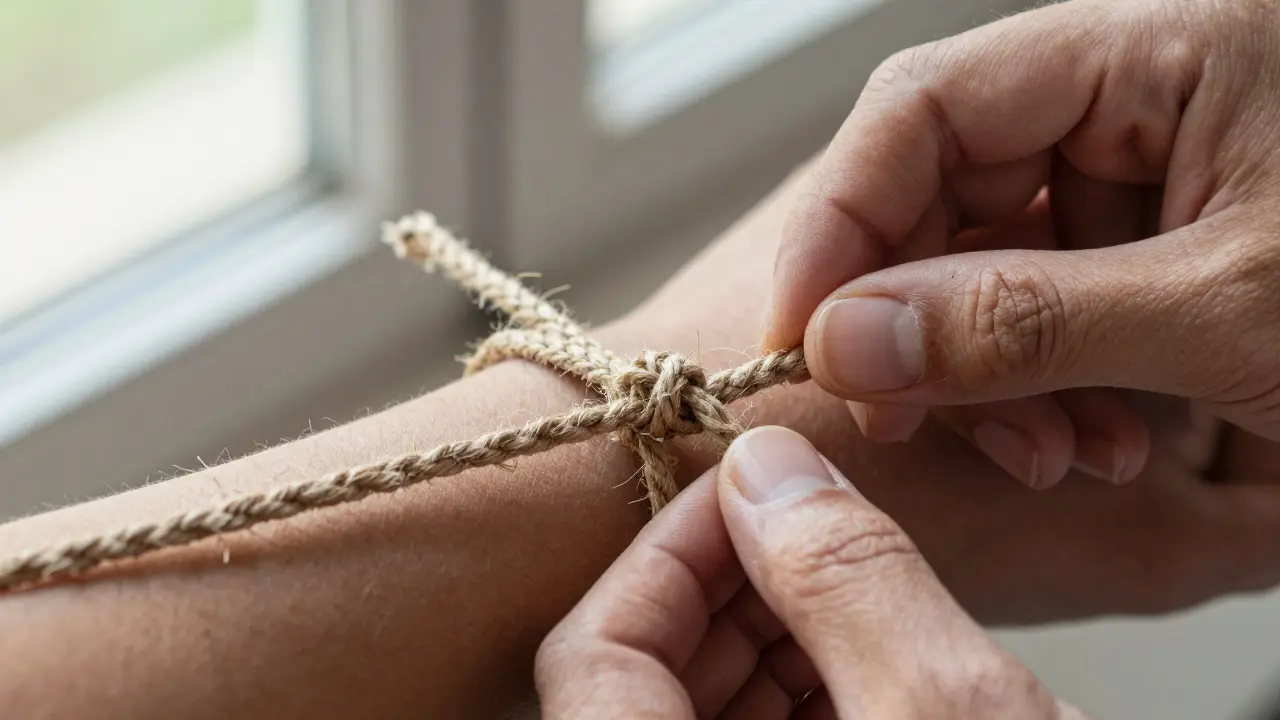
For beginners, avoid metal or rigid restraints. Start with soft, flexible materials: cotton rope, silk scarves, or padded cuffs. Look for products labeled ‘bondage-safe’ or ‘body-friendly.’ Avoid anything that cuts, pinches, or restricts blood flow. If you’re using rope, learn basic knots - figure-eights and square knots are safest. YouTube tutorials from reputable educators like Shibari Study or Rope Bondage Basics are great starting points.
Step-by-Step Guide
Here’s a simple beginner routine:
- Set the mood: dim lights, soft music, warm room
- Discuss boundaries and safewords
- Use a soft scarf to gently tie wrists behind the back - not tight enough to numb, just enough to feel contained
- Stay still for 3-5 minutes, breathe deeply
- Check in: ‘How do you feel?’ ‘Any tingling?’
- Slowly untie, then hug or hold each other for 2-3 minutes
That’s it. No drama. No pressure. Just presence.
Tips for Beginners or Couples
First-time users often worry they’ll ‘do it wrong.’ There’s no right way - only safe and consensual. Start slow. Use your voice. If something feels off, say so. Aftercare is non-negotiable - a warm drink, a hug, quiet time together. Don’t rush back into daily life. Let the calm settle. And remember: if you’re not enjoying it, stop. Always.
FAQ: Common Questions About Bondage
What to expect from bondage?
Most people expect intense sensations - and they get them. But the surprise is often the emotional side: calm, clarity, or even tears. You might feel vulnerable, safe, or oddly powerful. Some feel nothing at first. That’s normal. Bondage isn’t about immediate intensity. It’s about presence. You might feel your heartbeat in your wrists, notice the texture of the rope, or become hyper-aware of your breath. That’s the point. Don’t expect fireworks. Expect stillness.
What happens during bondage?
During a session, your body is gently restrained, usually by hands, rope, or fabric. Your partner checks in regularly. You might be blindfolded, or kept fully aware. The focus is on sensation - pressure, warmth, stillness. There’s no pain unless you’ve agreed to it. Movement is limited, but not impossible. You can shift, wiggle, or signal if you need to stop. The experience varies wildly - some feel euphoric, others deeply peaceful. It’s not a one-size-fits-all.
How does bondage differ from domination?
Bondage is about restriction. Domination is about control. You can be bound without being dominated - and you can be dominated without being bound. In bondage, the focus is on the physical experience of being held. In domination, the focus is on power exchange - commands, roles, obedience. One can exist without the other. Many people enjoy bondage purely for the sensory and emotional effects, with no role-playing involved.
What is the method of bondage?
The method is simple: consent, communication, and care. You choose your materials, your limits, and your pace. You apply restraints slowly, checking for comfort and circulation. You maintain eye contact or verbal check-ins. You release slowly, with reassurance. There’s no secret technique - just mindfulness. The art lies in the attention you give, not the knots you tie.
Safety and Ethical Considerations
Choosing Qualified Practitioners or Resources
If you’re learning from others - whether a partner or a class - look for people who emphasize safety and consent over aesthetics. Avoid influencers who prioritize looks over limits. Reputable educators teach nerve safety, circulation checks, and aftercare. Look for workshops hosted by organizations like The Bondage Collective or London Kink Education. Trust your gut. If someone rushes you or dismisses your concerns, walk away.
Safety Practices
Here are essential safety habits:
| Practice | Purpose | Example |
|---|---|---|
| Always have scissors nearby | Quick release in case of emergency | Keep them clipped to your belt or within arm’s reach |
| Check circulation every 5 minutes | Prevent nerve damage or numbness | Ask: ‘Can you wiggle your fingers?’ |
| Use safewords | Clear, non-negotiable stop signal | ‘Red’ = stop immediately |
Setting Boundaries
Your limits are sacred. No one gets to override them - not even in the heat of the moment. Before starting, say: ‘I’m okay with wrists tied, but not ankles.’ Or: ‘I don’t want to be blindfolded.’ Write them down if needed. Revisit them often. Boundaries aren’t walls - they’re bridges to deeper trust.
Contraindications or Risks
Bondage isn’t safe for everyone. Avoid it if you have circulation disorders, nerve damage, or heart conditions. Don’t try it if you’re under the influence of alcohol or drugs. Never tie around the neck - it’s dangerous even with experience. If you’re pregnant, recovering from surgery, or on certain medications, consult a doctor first. If you feel panic, dizziness, or pain - stop. Always.
Enhancing Your Experience with Bondage
Adding Complementary Practices
Bondage pairs beautifully with mindfulness, breathwork, or sensory deprivation. Try a short meditation before tying. Use essential oils like lavender to calm the senses. Afterward, journal your feelings. Some people combine it with massage or temperature play - warm wax, cool metal - but only if you’ve built trust first. Don’t rush into complexity. Simplicity is powerful.
Collaborative or Solo Engagement
Bondage can be deeply personal. Solo bondage - tying yourself gently - is a growing practice for mindfulness and self-awareness. It’s not about pleasure. It’s about presence. If you’re doing it with someone, make sure you’re both equally invested. No one should feel pressured. Consent applies to solo and partnered experiences alike.
Using Tools or Props
Start with what you have: scarves, belts, pillowcases. As you grow, consider investing in quality rope (jute or cotton), padded cuffs, or a bondage bench. Avoid cheap plastic or metal restraints - they’re hard to release and can pinch. Look for brands like Shibari Essentials or Leather & Lace London. Remember: tools don’t make the experience. Your attention does.
Regular Engagement for Benefits
Like meditation or yoga, bondage’s benefits grow with consistency. You don’t need to do it weekly. But if you return to it even once a month, you’ll notice deeper calm, better communication, and more body awareness. It’s not about frequency. It’s about intention.

Finding Resources or Experts for Bondage
Researching Qualified Experts
Look for educators with years of experience, not just Instagram followers. Check reviews, ask for references, and see if they teach safety protocols. Reputable workshops include those hosted by London Kink Education or The Rope Collective. Avoid anyone who promises ‘instant mastery’ or hides safety info. Real teachers want you to leave informed - not just turned on.
Online Guides and Communities
There are quiet, thoughtful communities online. Reddit’s r/bondage and r/shibari are full of experienced practitioners sharing tips, not just photos. Look for forums that prioritize consent and safety. YouTube channels like Shibari Study offer free, detailed tutorials on safe tying. Avoid sites that glorify extreme or unsafe practices.
Legal or Cultural Considerations
In the UK, consensual adult bondage is legal as long as no one is harmed or coerced. Public displays are not permitted. Always practice in private. Respect cultural differences - some communities view bondage as sacred, others as taboo. Be mindful of your surroundings and your partner’s background. Consent is universal, but context matters.
Resources for Continued Learning
Books like The New Topping Book by Dossie Easton and Janet Hardy, or Shibari You Can Use by Lee Harrington, offer clear, practical guidance. Podcasts like Kink Academy and The Kink Doctor are great for casual learning. Workshops in London, Brighton, and Manchester are regularly hosted by experienced educators.
Conclusion: Why Bondage is Worth Exploring
A Path to Presence
Bondage isn’t about fantasy. It’s about feeling real - your body, your breath, your boundaries. It’s a quiet rebellion against the noise of modern life. If you’ve ever wanted to feel completely held - without words - this might be your way in.
Try It Mindfully
Start small. Talk openly. Go slow. If it doesn’t feel right, stop. There’s no prize for being tied up. There’s only the gift of presence. And if you find peace in that - you’ve already won.
Share Your Journey
Tried bondage? Share your experience in the comments - no judgment, just honesty. Follow this blog for more thoughtful explorations of intimacy, sensation, and human connection. Explore bondage - not to perform, but to feel.
Some links may be affiliate links, but all recommendations are based on research and quality.
Word count: 1,782
Suggested Visuals
- A softly lit bedroom with a person gently bound by silk scarves, eyes closed, peaceful expression
- Close-up of hands tying jute rope in a figure-eight pattern, natural lighting
- A pair of hands holding scissors and a soft rope beside a cup of tea - symbolizing aftercare
- Two people sitting quietly together after a session, one gently massaging the other’s shoulder
- A minimalist shelf with bondage tools: rope, padded cuffs, and a journal
Suggested Tables
- Comparison of Bondage vs. Related Practices
- Key Benefits of Bondage
- Essential Safety Practices