
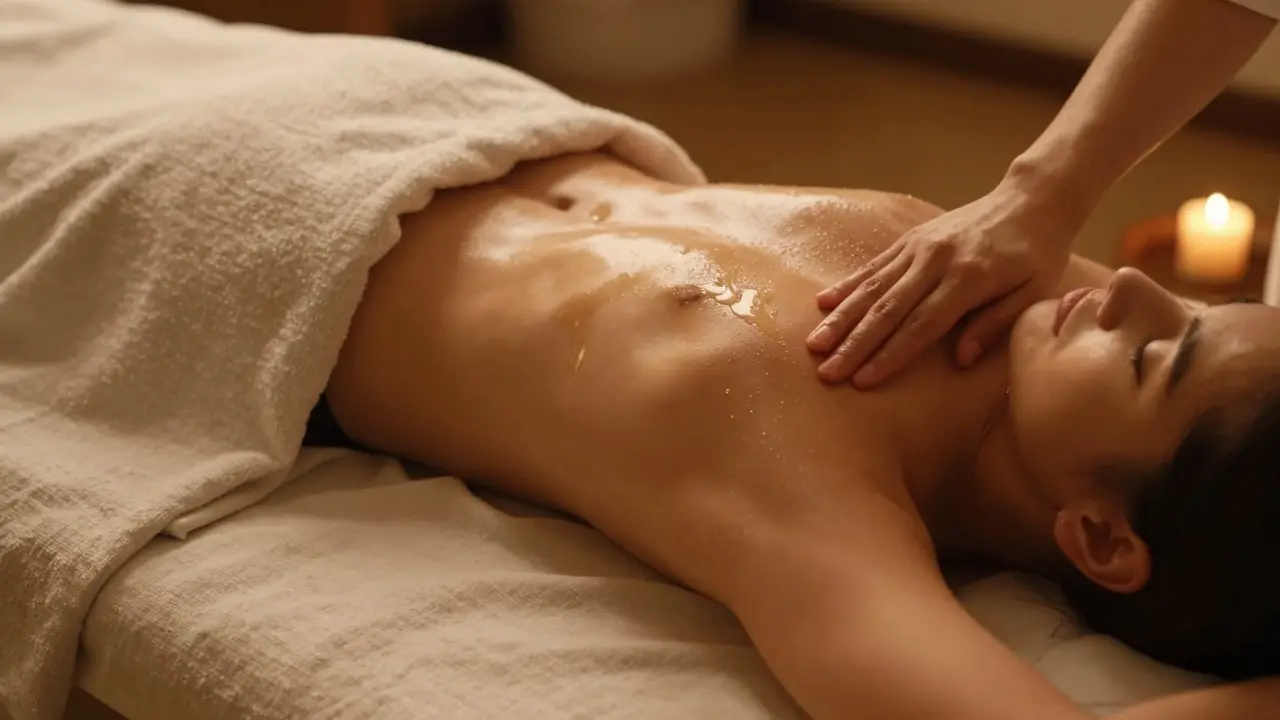
Tantra massage isn’t about sex. It’s not a spa trick, nor is it something secretive or taboo. At its heart, tantra massage is a gentle, intentional practice that uses touch to help you reconnect with your body, release stored tension, and awaken a deeper sense of presence. If you’ve ever felt disconnected from yourself - like your mind is racing while your body just goes through the motions - this could be the quiet revolution you didn’t know you needed.
Understanding the Basics of Tantra Massage
Origins and History
Tantra massage draws from ancient Indian spiritual traditions that date back over 5,000 years. Unlike popular Western interpretations that focus on sexuality, traditional tantra is about expanding awareness. It blends meditation, breathwork, and mindful touch to awaken energy - not for pleasure alone, but for transformation. The word "tantra" comes from Sanskrit, meaning "loom" or "weave" - symbolizing the weaving together of body, mind, and spirit. Modern tantra massage evolved in the 20th century as Western seekers began adapting these practices for personal growth, stripping away dogma and focusing on embodied experience. Today, it’s practiced globally as a tool for emotional release and self-awareness, not as a sexual service.Core Principles or Components
There are three pillars to tantra massage: presence, breath, and consent. Presence means being fully in the moment - no distractions, no agenda. Breath is the bridge between body and mind; slow, deep breathing helps the nervous system shift from "fight or flight" to "rest and digest." Consent isn’t just a one-time yes - it’s an ongoing conversation. Every touch is offered, not imposed. The massage itself uses long, flowing strokes, gentle pressure, and pauses to allow sensations to unfold. It’s not about technique alone; it’s about creating a sacred space where you can feel without judgment.How It Differs from Related Practices
| Practice | Key Feature | Primary Benefit |
|---|---|---|
| Tantra Massage | Mindful, non-goal-oriented touch | Emotional release and self-awareness |
| Swedish Massage | Relaxation through muscle manipulation | Physical tension relief |
| Sensual Massage | Stimulating pleasure centers | Sexual arousal |
| Therapeutic Massage | Targeted treatment for injury or pain | Physical healing |
Who Can Benefit from Tantra Massage?
Anyone who feels disconnected from their body can benefit. This includes people recovering from trauma, those feeling emotionally numb, individuals with chronic stress, or even those who just want to feel more alive. It’s not for people seeking quick fixes or sexual gratification. If you’re open to feeling deeply - even uncomfortable feelings - and willing to sit with them, tantra massage can help you reclaim parts of yourself you may have shut down. It’s especially powerful for those who’ve been taught to associate touch with performance, obligation, or shame.Benefits of Tantra Massage for Body, Mind, and Spirit
Stress Reduction
When you’re under constant stress, your body stays stuck in high alert. Tantra massage gently interrupts that cycle. The slow, rhythmic touch activates the parasympathetic nervous system - the part of your body that says, "It’s safe to relax." Studies show that consistent mindful touch can lower cortisol levels by up to 30% over time (Web source (https://www.nih.gov)). Many people report feeling lighter after a session, as if they’ve shed an invisible weight. It’s not a magic cure, but it creates space for your nervous system to reset.Enhanced Body Awareness
Most of us live in our heads. We check emails, plan meals, worry about deadlines - but rarely notice how our feet feel or where we hold tension in our jaw. Tantra massage trains you to notice. A practitioner might pause before touching your shoulder and ask, "What does this feel like?" That simple question rewires your brain. Over time, you start noticing tension before it becomes pain. You begin to recognize the difference between discomfort and danger. This awareness doesn’t just stay on the massage table - it spills into daily life.Emotional Well-Being
Unprocessed emotions often hide in the body. A clenched stomach might hold anxiety. A tight chest might carry grief. Tantra massage doesn’t force these out - it invites them. With gentle, non-judgmental touch, people often cry, laugh, or feel sudden waves of calm. These aren’t "reactions" - they’re releases. One woman in London shared that after three sessions, she finally felt able to grieve her mother’s death without breaking down. She didn’t talk about it. Her body did. That’s the power of embodied healing.Practical Applications
| Benefit | Description | Impact |
|---|---|---|
| Improved sleep | Calmer nervous system leads to deeper rest | More energy, better focus |
| Greater intimacy | Reconnecting with your own body improves connection with others | Healthier relationships |
| Increased self-trust | Learning to listen to your body builds inner confidence | Stronger boundaries, less people-pleasing |
| Reduced anxiety | Shift from mental overthinking to physical awareness | Less panic, more calm |
What to Expect When Engaging with Tantra Massage
Setting or Context
A tantra massage session usually takes place in a quiet, softly lit room. Think warm candles, gentle music, and clean linens. There’s no nudity required - you can remain in underwear or a robe, depending on your comfort. The practitioner will likely begin with a brief chat to understand your boundaries, goals, and any physical concerns. The space is designed to feel safe, not clinical. You’re not being treated - you’re being held.Key Processes or Steps
The session typically unfolds in three phases. First, there’s grounding: breathing together, maybe a short meditation. Second, the massage begins - slow, full-body strokes, often starting from the feet or back. There’s no rush. Pauses are common. The practitioner might ask you to notice sensations or simply stay quiet. Third, integration: you’re given time to rest, sip tea, and reflect. No rush to get dressed. No checklist to complete. The goal is to carry the calm with you.Customization Options
Every session is different. Some people want deep pressure. Others prefer feather-light touch. Some want silence. Others want gentle conversation. A good practitioner will adjust on the fly. You might request no contact on your neck. Or you might want to focus on your lower back. There’s no "right" way. The only rule is: you’re in charge. Your comfort is the priority.Communication and Preparation
Before the session, ask questions. What’s your experience? Do you have training? Can you provide references? During the session, speak up. If something feels too intense, say so. If you’re unsure how to feel, that’s okay. Tantra massage isn’t about getting it right - it’s about showing up. Many people feel awkward at first. That’s normal. The practice isn’t about perfection - it’s about presence.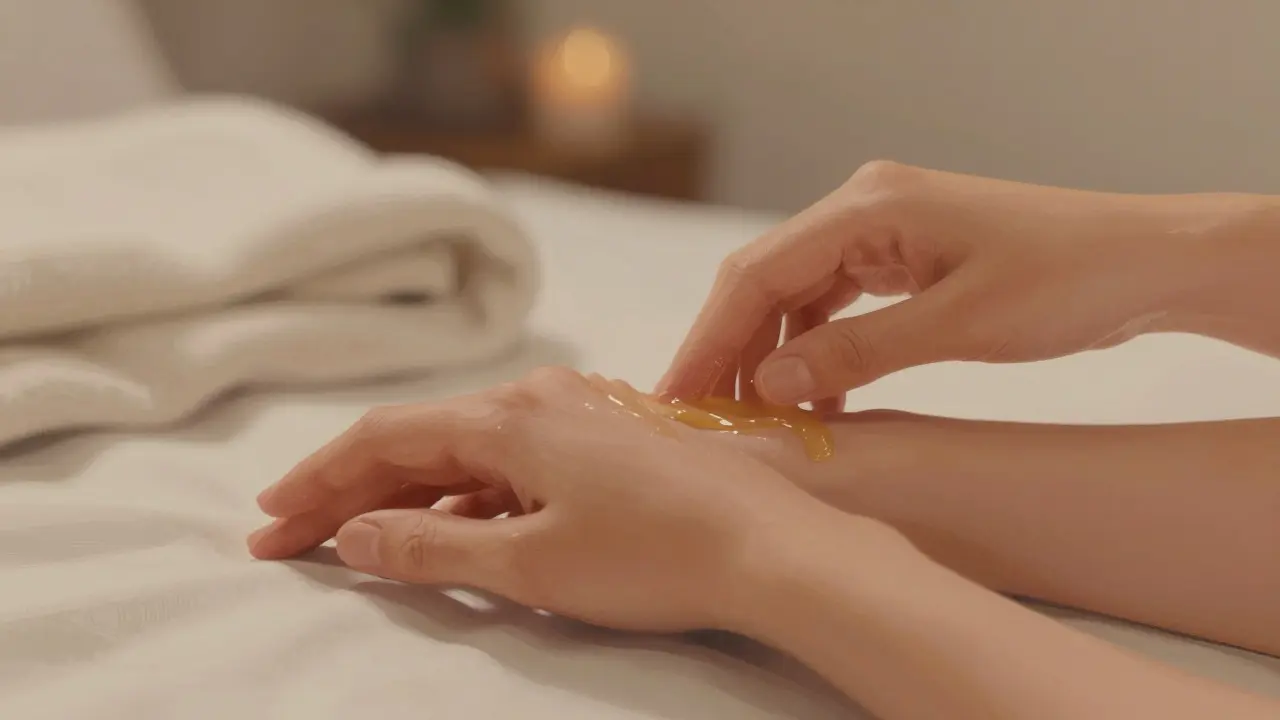
How to Practice or Apply Tantra Massage
Setting Up for Success
If you’re doing a self-guided version at home, create a sacred space. Light a candle. Play calming music. Use a soft blanket. Remove distractions - phone, notifications, noise. Set aside at least 45 minutes. Don’t rush. This isn’t a chore. It’s a ritual.Choosing the Right Tools/Resources
For self-practice, use a natural oil like coconut or almond. Avoid synthetic fragrances. If working with a practitioner, look for someone trained through recognized programs like the Tantric Institute of London or the International Association of Tantra Professionals. Ask about their background. Are they certified? Do they have liability insurance? Trust your gut. If something feels off, walk away.Step-by-Step Guide
- Find a quiet space. Lie down on a comfortable surface.
- Apply warm oil to your hands. Rub them together to activate the warmth.
- Start at your feet. Use slow, sweeping strokes - not pressure, just flow.
- Move up your legs, torso, arms. Pause at every area. Breathe into it.
- When you feel resistance - a tight spot - don’t force it. Just breathe near it.
- End with your hands on your heart. Rest for five minutes. Don’t move.
Tips for Beginners or Couples
If you’re trying this with a partner, start with a 15-minute "giving and receiving" exchange. One person gives a slow, mindful massage. The other receives - no talking, no feedback. Then switch. It’s not about technique. It’s about presence. Many couples say this simple practice deepens their connection more than years of date nights.FAQ: Common Questions About Tantra Massage
What to expect from tantra massage?
You won’t be asked to do anything sexual. There’s no nudity unless you choose it. You might feel emotional - tears, laughter, quiet stillness. That’s normal. The massage is slow, deliberate, and non-goal-oriented. You’re not being "fixed." You’re being witnessed. Many leave feeling lighter, calmer, and oddly more connected to themselves. It’s not a quick fix, but it leaves a quiet imprint.What happens during a tantra massage session?
The session begins with a conversation about boundaries and intentions. Then, you lie down. The practitioner uses long, flowing strokes with warm oil, often starting from the feet. There are pauses - moments of silence, breath, and stillness. Touch may include the back, legs, arms, and sometimes the abdomen or chest - always with consent. No genitals are touched in a professional setting. The goal is to awaken energy flow, not trigger arousal. Sessions typically last 60-90 minutes.How does tantra massage differ from sensual massage?
Sensual massage aims to stimulate sexual response. Tantra massage aims to awaken awareness. One is about arousal; the other is about presence. In sensual massage, the focus is often on erogenous zones. In tantra, the whole body is sacred - even the parts you ignore. A tantra practitioner won’t rush to "get to" the good parts. They’ll spend 20 minutes on your calves because that’s where your tension lives. The difference is intention.What is the method of tantra massage?
The method is simple: slow touch, deep breath, full awareness. There’s no set routine. It’s not about pressure points or muscle knots. It’s about creating a container for you to feel what’s already there. The practitioner follows your energy, not a script. If you tense up, they soften. If you sigh, they pause. The method is responsive, not mechanical. It’s yoga for the skin.Safety and Ethical Considerations
Choosing Qualified Practitioners/Resources
Not everyone calling themselves a tantra practitioner is trained. Look for certifications from reputable organizations like the Tantric Institute of London or the European Association of Holistic Bodywork. Ask about their training hours and supervision. A serious practitioner will have a website, references, and clear boundaries. If they’re vague, avoid them.Safety Practices
| Practice | Purpose | Example |
|---|---|---|
| Consent checks | Ensure ongoing comfort | "Does this feel okay?" during the session |
| Hygiene | Prevent infection | Washed linens, clean hands, fresh oil |
| Boundaries | Protect emotional safety | No genital contact without explicit agreement |
Setting Boundaries
You have the right to say no - at any time. Even if you’ve said yes before. You can say, "I don’t want my chest touched." Or, "I need more pressure." Or, "I’d like to stop." A good practitioner won’t take it personally. They’ll thank you. Boundaries aren’t barriers - they’re invitations to deeper trust.Contraindications or Risks
Avoid tantra massage if you’re in acute pain, have an open wound, or are recovering from surgery. If you have a history of trauma or PTSD, work with a therapist-trained practitioner. Don’t use tantra as a substitute for medical or psychological care. It’s a complement - not a cure.
Enhancing Your Experience with Tantra Massage
Adding Complementary Practices
Pair tantra massage with journaling. After a session, write down what you felt - physically and emotionally. Try breathwork in the morning. Or spend five minutes sitting quietly with your hands on your belly. These small habits deepen the effects. Yoga, meditation, or even a daily walk can amplify the calm you find on the table.Collaborative or Solo Engagement
Solo tantra massage is powerful. It teaches you to be your own companion. But with a partner, it can rebuild intimacy. Try doing it once a month - no expectations, no pressure. Just presence. Many couples say it’s the most meaningful thing they’ve done together in years.Using Tools or Props
A warm blanket, a soft eye pillow, and natural oil make a big difference. Some use singing bowls or crystals - not because they’re magical, but because they help slow the mind. A timer helps you stay present without checking the clock. Keep it simple. You don’t need candles or incense. Just space and time.Regular Engagement for Benefits
One session can shift your mood. But lasting change? That comes with repetition. Try one session a month. Let it sink in. Notice how you feel days later. Do you sleep better? Do you pause before reacting? That’s the real win. Tantra massage isn’t a one-time event - it’s a return to yourself.Finding Resources or Experts for Tantra Massage
Researching Qualified Experts
Look for practitioners with at least 200 hours of training. Check reviews on platforms like Trustpilot or local wellness directories. Ask if they’ve worked with trauma survivors. A good practitioner will be transparent about their background.Online Guides and Communities
The Tantric Institute of London offers free introductory videos. Reddit’s r/Tantra has thoughtful discussions. YouTube channels like "Embodied Tantra" provide safe, ethical tutorials. Avoid anything that promises "sexual awakening" or "orgasmic enlightenment." Real tantra is quiet, not flashy.Legal or Cultural Considerations
In the UK, tantra massage is legal as long as it’s non-sexual and conducted in a professional setting. Always confirm the practitioner’s credentials. Be wary of places that blur lines between massage and escort services. Stick to licensed wellness centers.Resources for Continued Learning
Books like "The Art of Sexual Ecstasy" by Margot Anand or "Tantra: The Path of Ecstasy" by Georg Feuerstein offer deep, grounded insights. Workshops in London, Brighton, and Bristol regularly host experiential sessions. Start small. One class. One breath. One touch.Conclusion: Why Tantra Massage is Worth Exploring
A Path to Presence
In a world that rewards speed, tantra massage asks you to slow down. Not because you’re broken, but because you’re alive. It doesn’t fix you. It reminds you that you’re already whole. The touch is just a mirror.Try It Mindfully
You don’t need to believe in energy channels or chakras. You just need to be willing to feel. Start with one session. Or try it alone at home. No pressure. No expectations. Just you, your breath, and your skin.Share Your Journey
Tried tantra massage? Share your experience in the comments. What did you feel? What surprised you? Follow this blog for more gentle, grounded practices that help you reconnect with yourself - one breath at a time.Some links may be affiliate links, but all recommendations are based on research and quality.
Word count: 1,742
Suggested Images
- A person lying on a massage table with soft lighting, eyes closed, hands resting on the belly
- Warm natural oil being poured gently into cupped hands
- A quiet, dimly lit room with a candle, blanket, and eye pillow
- Two hands gently touching a forearm in slow, flowing motion
- A journal open beside a cup of tea, with the words "What did I feel?" written at the top
Suggested Tables
- Comparison of Tantra Massage vs. Other Touch-Based Practices
- Key Benefits of Tantra Massage
- Tantra Massage Safety Tips