
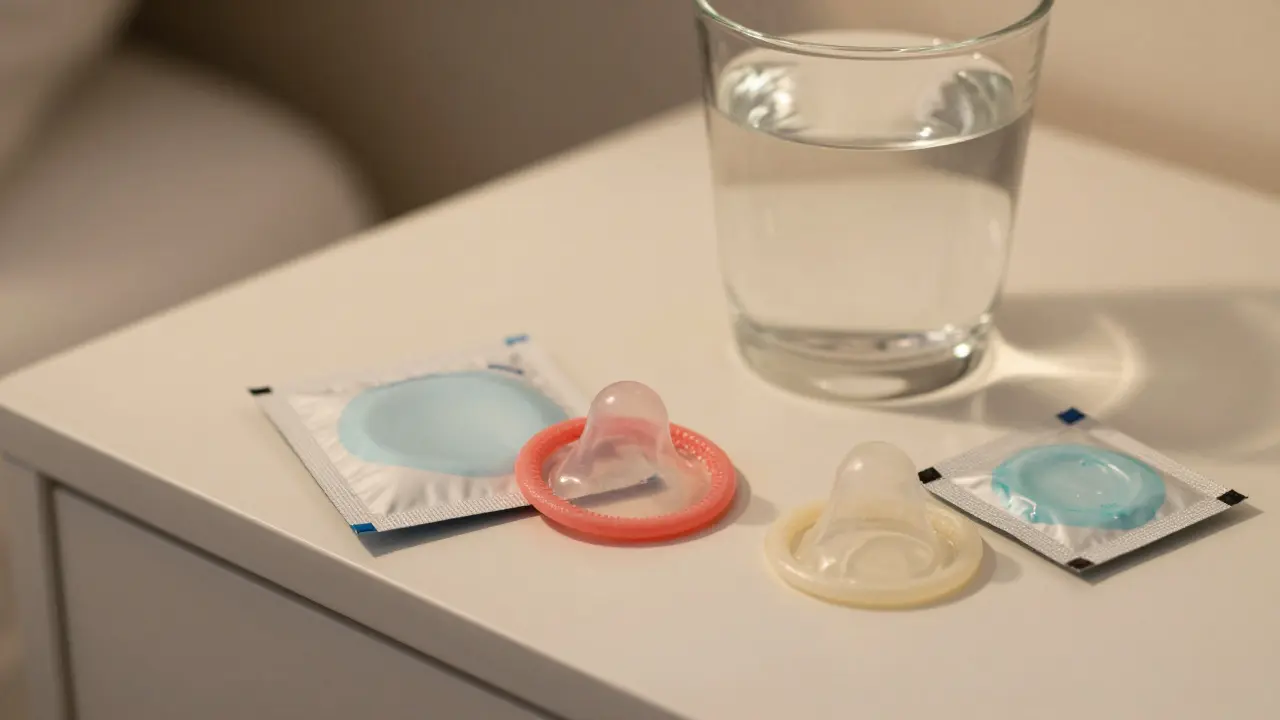
When it comes to oral sex without condom, many people assume it’s low-risk-maybe even safe. But that’s a dangerous assumption. While it’s true that oral sex carries less risk than vaginal or anal sex, it’s not risk-free. The truth is, you can still catch or pass on infections during unprotected oral sex. And if you’re not aware of what’s at stake, you could be putting yourself-and your partner-at unnecessary risk.
Understanding the Basics of Oral Sex Without Condom
Origins and History
Oral sex has been practiced across cultures for thousands of years, from ancient texts in India and Greece to modern-day intimacy rituals. But the idea of using protection during oral sex? That’s a recent development. Condoms were originally designed for pregnancy prevention, and their use in oral sex only became widely discussed in public health circles in the 1980s and ’90s, during the HIV/AIDS crisis. Even then, many assumed the mouth was a natural barrier. We now know better.Core Principles or Components
The core principle is simple: bodily fluids carry germs. Saliva alone doesn’t protect you. During oral sex, you’re exposed to fluids like pre-cum, semen, vaginal secretions, and even blood (if there’s gum disease or tiny cuts). These can carry infections such as gonorrhea, chlamydia, syphilis, herpes, HPV, and yes-even HIV. The mouth isn’t a sterile zone. Cuts, sores, or inflamed gums can act as entry points. And the throat? It’s surprisingly vulnerable to infections that can linger without symptoms.How It Differs from Related Practices
Many people compare unprotected oral sex to vaginal or anal sex and assume it’s safer. That’s true in terms of transmission likelihood-but not in terms of risk elimination. Here’s how it stacks up:| Activity | STI Transmission Risk | Common Infections Spread |
|---|---|---|
| Oral sex without condom | Moderate | Gonorrhea, chlamydia, herpes, syphilis, HPV |
| Oral sex with condom/dental dam | Low | Minimal if used correctly |
| Vaginal sex without condom | High | HIV, gonorrhea, chlamydia, syphilis, HPV |
| Anal sex without condom | Very High | HIV, gonorrhea, chlamydia, hepatitis |
Who Can Benefit from Safe Oral Sex Practices?
Anyone who engages in oral sex can benefit from understanding the risks. Whether you’re in a long-term relationship, dating casually, or exploring your sexuality, knowing how to protect yourself is empowering. It’s not about fear-it’s about informed choice. People who have multiple partners, those with partners who haven’t been tested, or individuals with compromised immune systems have even more reason to use protection. But even monogamous couples should consider it, especially if either partner has ever had an STI or isn’t sure of their partner’s full sexual history.Benefits of Safe Oral Sex Practices for Your Health
Reduced Risk of STIs
Using a condom or dental dam during oral sex dramatically lowers your chance of catching infections. Gonorrhea of the throat, for example, can be silent-no symptoms, but still contagious. Left untreated, it can spread to other parts of the body. The same goes for chlamydia and syphilis. According to public health data, up to 70% of new gonorrhea cases in some urban areas are linked to oral sex. That’s not a small number. Protecting yourself isn’t just about avoiding discomfort-it’s about preventing long-term health complications like infertility or chronic pain.Peace of Mind
Knowing you’ve taken steps to protect yourself reduces anxiety. Many people avoid sex or feel guilty afterward because they didn’t use protection. That guilt can strain relationships. When both partners agree on safe practices, it builds trust. It shows you care-not just about pleasure, but about each other’s well-being.Improved Communication
Talking about condoms during oral sex opens the door to deeper conversations about boundaries, testing, and sexual history. These aren’t awkward moments-they’re opportunities to connect. Asking, “Have you been tested recently?” or “Would you be okay with using a dental dam?” can strengthen intimacy. It turns a routine act into a shared decision.Long-Term Sexual Health
HPV, which can be passed during oral sex, is linked to throat and mouth cancers. While rare, these cancers are on the rise. The HPV vaccine helps, but it’s not 100% effective, and not everyone has been vaccinated. Using barriers during oral sex adds a layer of defense. Think of it like wearing a seatbelt-you hope you never need it, but you’re glad it’s there when you do.What to Expect When Engaging in Oral Sex Without Condom
Setting or Context
There’s no perfect setting for oral sex. It can happen in a bedroom, a car, a hotel room-anywhere privacy allows. But the environment matters less than the mindset. Are you both relaxed? Are you comfortable talking? If one person feels pressured, that’s a red flag. The best context is one where consent is clear, ongoing, and enthusiastic.Key Processes or Steps
If you’re choosing to go without a condom, here’s what’s happening biologically: your mouth is coming into contact with mucous membranes and fluids that may carry pathogens. The virus or bacteria doesn’t need a deep wound to enter-microscopic tears in the gums or throat lining are enough. You might not feel anything. That’s the problem. Infections often show no signs until it’s too late.Customization Options
Some people prefer flavored condoms or dental dams for oral sex. Others use regular condoms cut open to make a square barrier. You can also use non-lubricated condoms if taste is a concern. There’s no one-size-fits-all solution. What matters is that you’re using something that creates a physical barrier. Even if it feels less spontaneous, it’s far more reliable than hoping for the best.Communication and Preparation
Before anything happens, ask: “Have you been tested?” “When?” “What were the results?” Don’t assume. Don’t guess. If someone says, “I’m clean,” ask what that means. “Clean” isn’t a medical term. Ask for proof-recent test results. If they’re uncomfortable sharing, that’s information in itself.
How to Practice Safe Oral Sex
Setting Up for Success
Keep condoms and dental dams in your bedside drawer or purse. Don’t wait until you’re in the moment to look for them. Have them ready. Check expiration dates. Store them in a cool, dry place-not your wallet, where heat and friction can damage them. If you’re using a dental dam, make sure it’s intact. A small tear can compromise protection.Choosing the Right Tools
For oral sex on a penis, use a latex or polyurethane condom. For oral sex on a vulva or anus, use a dental dam. If you don’t have one, you can cut open a condom to make a flat sheet. Flavored condoms are widely available and designed for oral use. Avoid oil-based lubricants-they break down latex. Water-based or silicone-based lubes are fine.Step-by-Step Guide
1. Talk with your partner about using protection. Make it part of the foreplay, not an interruption.2. Open the condom or dental dam carefully-don’t use teeth.
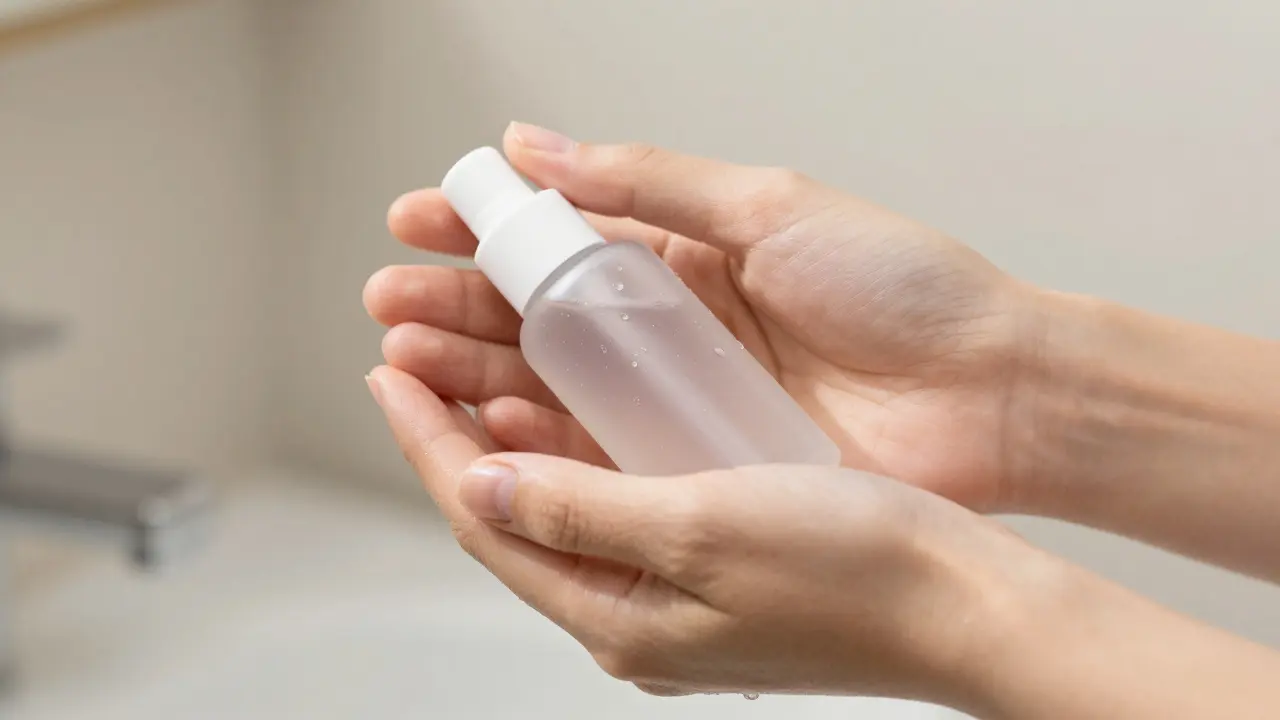
3. Apply a drop of water-based lube on the side that touches skin (optional, for comfort).
4. Place the barrier correctly: cover the entire area that will be in contact.
5. Use a new barrier for each act. Never flip it over and reuse it.
6. Dispose of it properly after use.
Tips for Beginners or Couples
If you’re new to using protection during oral sex, start slow. Practice with your partner in a low-pressure setting. Try flavored condoms. Make it playful. Say, “Let’s try this together.” Most people find that once they get used to it, it doesn’t ruin the experience-it enhances it. You’re both taking care of each other.FAQ: Common Questions About Oral Sex Without Condom
Can you get an STI from oral sex without a condom?
Yes. You can get gonorrhea, chlamydia, syphilis, herpes, HPV, and even HIV from unprotected oral sex. The risk is lower than with vaginal or anal sex, but it’s real. Many people don’t show symptoms, so you might not know you’re infected until it’s spread to someone else. Testing is the only way to be sure.Is it safe to perform oral sex if my partner has no visible sores?
No. Many STIs, like herpes and HPV, can be transmitted even when there are no visible sores. The virus can be shed asymptomatically. You can’t tell if someone is infectious just by looking. That’s why protection and testing matter more than appearances.Do dental dams really work for oral sex?
Yes. Dental dams are thin latex or polyurethane sheets designed to block bodily fluids during oral sex on the vulva or anus. They’re not as common as condoms, but they’re just as effective when used correctly. If you find them awkward, try cutting open a condom to make a flat barrier. The goal is to create a physical shield-not to make things perfect.What if my partner refuses to use protection?
Their refusal is a boundary issue. You have the right to say no to any sexual act that makes you uncomfortable or puts you at risk. You don’t need to justify your decision. You can say, “I care about us too much to skip protection,” or simply, “I’m not comfortable without it.” If they pressure you, that’s not love-it’s disregard for your health.Safety and Ethical Considerations
Choosing Qualified Resources
If you’re unsure about STI testing, visit a sexual health clinic. In the UK, services like NHS Sexual Health Clinics offer free, confidential testing. You don’t need a GP referral. Many clinics also provide free condoms and dental dams. Don’t rely on home tests alone-they’re not always accurate for throat or oral infections.Safety Practices
Here’s how to stay safe:| Practice | Purpose | Example |
|---|---|---|
| Use a barrier | Blocks fluid exchange | Condom or dental dam |
| Get tested regularly | Early detection | Every 3-6 months if sexually active |
| Avoid oral sex if you have mouth sores | Reduces entry points for infection | Wait until gums heal after brushing too hard |
| Don’t share sex toys | Prevents cross-contamination | Use a new condom on toys for each partner |
Setting Boundaries
Your comfort level matters. If you’re not ready to go without protection, say so. You don’t owe anyone sex, even if you’ve had it before. Healthy relationships are built on mutual respect-not pressure.Contraindications or Risks
Avoid oral sex without protection if:- You or your partner have an active STI
- You have cuts, ulcers, or gum disease in your mouth
- You’re immunocompromised
- Your partner has recently had unprotected sex with someone else
Enhancing Your Experience with Safe Oral Sex
Adding Complementary Practices
Combine safe oral sex with regular STI testing and open communication. Practice mindfulness-focus on touch, taste, and connection, not just performance. If you’re using protection, make it part of the rhythm. Whisper, “I love you,” or “This feels good,” while you’re putting on the condom. Turn safety into intimacy.Collaborative or Solo Engagement
Whether you’re with a partner or exploring solo, safety still applies. If you’re using sex toys, clean them after each use. If you’re masturbating after oral sex, wash your hands. Don’t transfer fluids from one area to another.Using Tools or Props
Flavored condoms, dental dams, water-based lube, and gloves for hand-to-genital contact are all useful. Some people like textured condoms for added sensation. Experiment to find what works for you and your partner.Regular Engagement for Benefits
Consistency matters. Make protection a habit, not a one-time choice. The more you normalize it, the less awkward it feels. Over time, it becomes part of your sexual rhythm-like brushing your teeth.Finding Resources or Experts for Safe Oral Sex
Researching Qualified Experts
Look for sexual health clinics affiliated with the NHS or trusted organizations like the Terrence Higgins Trust. They offer free, non-judgmental advice and testing. Avoid online forums that give medical advice without credentials.Online Guides and Communities
Websites like Planned Parenthood (plannedparenthood.org) and the NHS sexual health pages offer reliable, clear information. Reddit’s r/sexeducation has thoughtful, moderated discussions. Avoid sites that promote fear or shame.Legal or Cultural Considerations
In the UK, sexual health services are free and confidential for anyone over 16. You don’t need parental consent. Cultural attitudes vary, but your right to safe sex is protected by law. Don’t let stigma stop you from protecting yourself.Resources for Continued Learning
Books like “Come As You Are” by Emily Nagoski or “The Ultimate Guide to Sex and Disability” offer thoughtful perspectives on pleasure and safety. Podcasts like “Sex With Emily” or “The Loveland Podcast” make complex topics easy to understand.Conclusion: Why Safe Oral Sex is Worth Exploring
A Path to Healthier Intimacy
Oral sex doesn’t have to be risky. With a little preparation and communication, you can enjoy it safely-and fully. Protection isn’t a turn-off. It’s a sign of respect, care, and maturity.Try It Mindfully
Start small. Talk. Test. Protect. You don’t need to be perfect. Just consistent.Share Your Journey
Tried using a dental dam for the first time? Let us know how it went in the comments. Follow for more honest, practical advice on sex, health, and relationships.Some links may be affiliate links, but all recommendations are based on research and quality.
Word count: 1,723
Suggested Images
- A hand holding a flavored condom next to a dental dam on a nightstand
- Two people smiling while talking in bed, one holding a small packet
- A close-up of clean hands holding a water-based lube bottle
- A person reading a pamphlet titled “Safe Sex Guide” at a clinic
- A simple illustration showing a barrier over genital area during oral sex
Suggested Tables
- Comparison of Sexual Activities and STI Risk
- Essential Safety Tips for Oral Sex
- Key Benefits of Using Protection During Oral Sex