
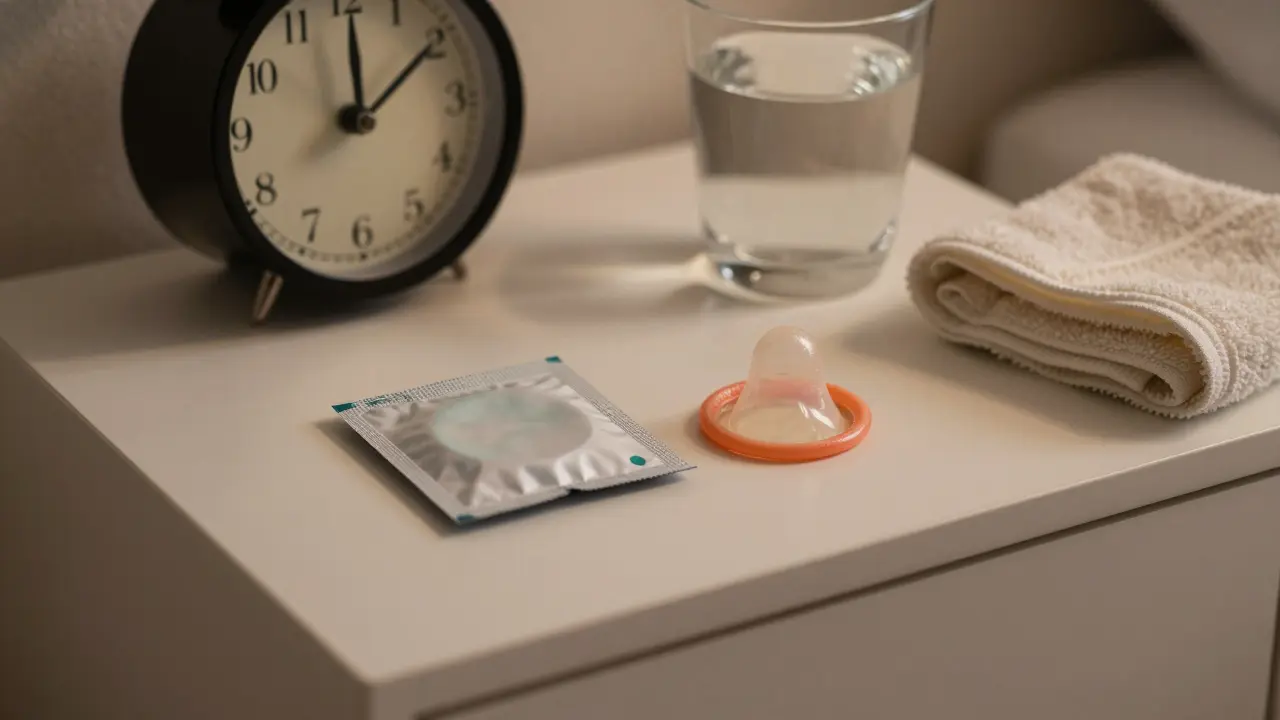
When it comes to sexual health, oral sex without a condom is one of those topics people often brush off - "It’s just oral, it’s low risk," they say. But that’s where things get dangerous. Just because it doesn’t lead to pregnancy doesn’t mean it’s risk-free. In fact, many sexually active adults don’t realize how easily infections can pass through mucous membranes in the mouth, throat, and genitals. This isn’t scare tactics. This is science. And if you’re engaging in oral sex without protection, you need to know what you’re really signing up for.
Understanding the Basics of Oral Sex Without a Condom
Origins and History
Oral sex has been part of human intimacy for millennia, found in ancient texts from Greece to India. But the idea of using protection during oral sex is relatively new. Condoms became widely used for pregnancy prevention in the 20th century, and only in the 1990s - as HIV and other STIs became more visible - did public health campaigns start recommending barrier methods for all sexual activity, including oral. Even today, many people still view oral sex as "safe sex," when in reality, it’s only safer with protection.
Core Principles or Components
Oral sex without a condom means direct contact between the mouth and the genital or anal area. This allows bodily fluids - saliva, pre-cum, semen, vaginal fluid, and even blood - to exchange between partners. These fluids can carry viruses and bacteria like herpes, gonorrhea, chlamydia, syphilis, and HPV. The mouth isn’t a barrier; it’s a doorway. Tiny cuts, gum inflammation, or even just a sore throat can make transmission easier than you think.
How It Differs from Related Practices
Many assume oral sex is safer than vaginal or anal sex. That’s true - but only compared to those higher-risk activities. It’s not risk-free. Here’s how it stacks up:
| Activity | STI Transmission Risk | Primary Pathogens |
|---|---|---|
| Oral sex without condom | Moderate | Herpes, HPV, Gonorrhea, Syphilis |
| Oral sex with condom or dental dam | Low | Minimal (if barrier is used correctly) |
| Vaginal sex without condom | High | HIV, Chlamydia, Gonorrhea, Syphilis |
| Anal sex without condom | Very High | HIV, Hepatitis, HPV, Gonorrhea |
Who Can Benefit from Understanding This?
Anyone who is sexually active - whether monogamous, in a new relationship, or exploring casually - needs this knowledge. It’s not about judging behavior. It’s about empowering people to make informed choices. You don’t have to abstain. You just need to know the facts. Many people in long-term relationships skip condoms because they trust their partner. But trust doesn’t block viruses. Regular testing and honest communication do.
Benefits of Oral Sex With Protection
Reduced Risk of STIs
Using a condom or dental dam during oral sex cuts transmission risk dramatically. For example, the CDC confirms that herpes simplex virus (HSV-1) - often linked to cold sores - can be passed to the genitals through oral sex. The same goes for HPV, which is linked to throat and cervical cancers. A simple barrier reduces contact with infectious fluids. It’s not 100% foolproof, but it’s the best tool we have.
Peace of Mind
Sex should feel good - and safe. Worrying about whether you’ve exposed yourself to an infection can ruin the moment. Using protection removes that anxiety. It’s not about mistrust. It’s about responsibility. Think of it like wearing a seatbelt: you don’t expect to crash, but you still buckle up.
Supports Long-Term Health
HPV is now the leading cause of oropharyngeal (throat) cancers in the U.S., and oral sex is a major transmission route. The American Cancer Society notes that cases of HPV-related throat cancer have risen sharply over the last two decades. Using protection doesn’t just prevent immediate discomfort - it protects your future health.
Encourages Honest Communication
Asking a partner to use a condom or dental dam opens the door to deeper conversations about sexual history, testing, and boundaries. That kind of communication builds stronger, healthier relationships - regardless of how long you’ve been together.
What to Expect When Engaging in Oral Sex Without a Condom
Setting or Context
There’s no "right" place for oral sex. It can happen in bed, on the couch, even in the shower. But context matters. If you’re in a rush, distracted, or not fully present, you’re more likely to skip protection. Set the tone: dim lights, quiet music, a moment to talk. Make it intentional. If you’re not talking about safety, you’re not really talking about sex.
Key Processes or Steps
Without a barrier, the process is simple: mouth to genitals or anus. But simplicity doesn’t mean safety. The real risk comes from unnoticed factors: a recent dental procedure, bleeding gums, a hidden cold sore, or an undiagnosed infection. These aren’t dramatic - they’re quiet. And that’s why they’re dangerous.
Customization Options
Some people prefer flavored condoms or dental dams. Others use non-latex options if they’re sensitive. The goal isn’t perfection - it’s consistency. Even if you only use protection 80% of the time, you’re still reducing your risk. Start small. Use it once. Then again. Build the habit.
Communication and Preparation
Before anything happens, ask: "Have you been tested recently?" and "Are you comfortable using a barrier?" If the answer is no, that’s okay - but now you know. You can choose to stop, switch activities, or use protection anyway. Consent isn’t just about "yes" or "no." It’s about ongoing, clear communication.
How to Practice Safer Oral Sex
Setting Up for Success
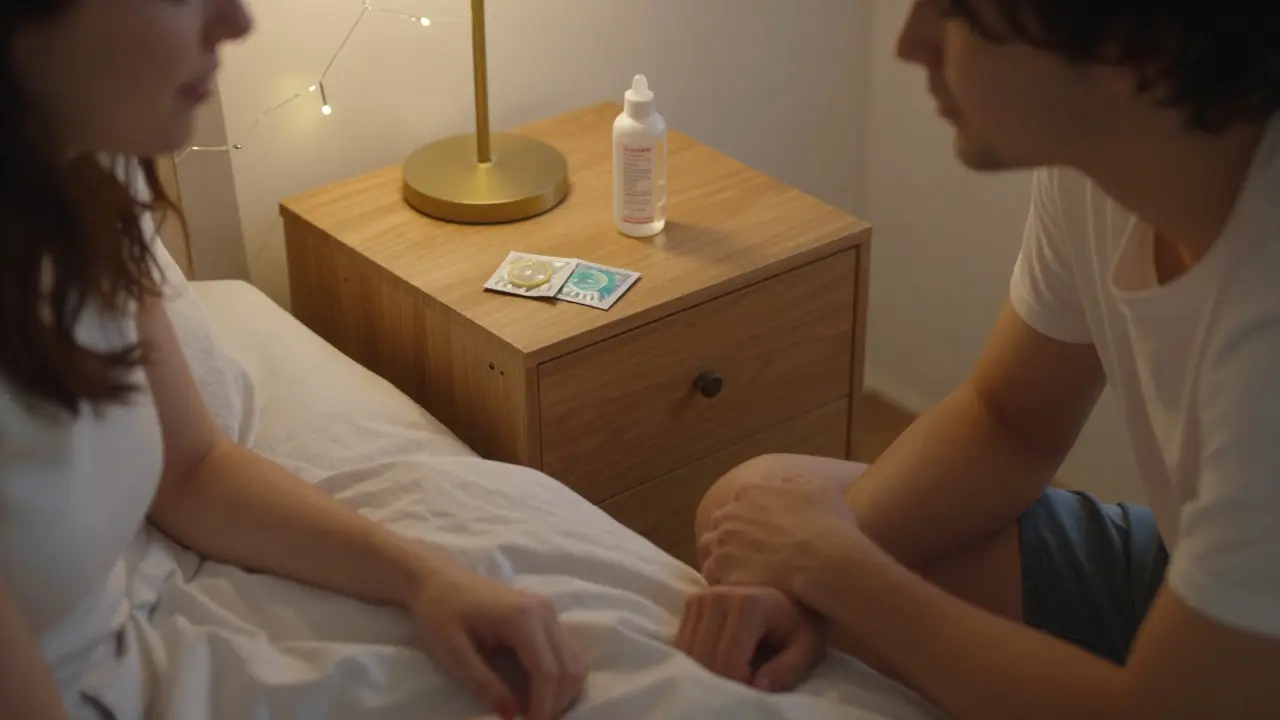
Keep condoms and dental dams where you keep other sexual items - by the bed, in your nightstand, in your bag. Out of sight, out of mind. Also, check expiration dates. A dried-out dental dam won’t protect you. Store them in a cool, dry place. No need for fancy gear. Just the basics.
Choosing the Right Tools
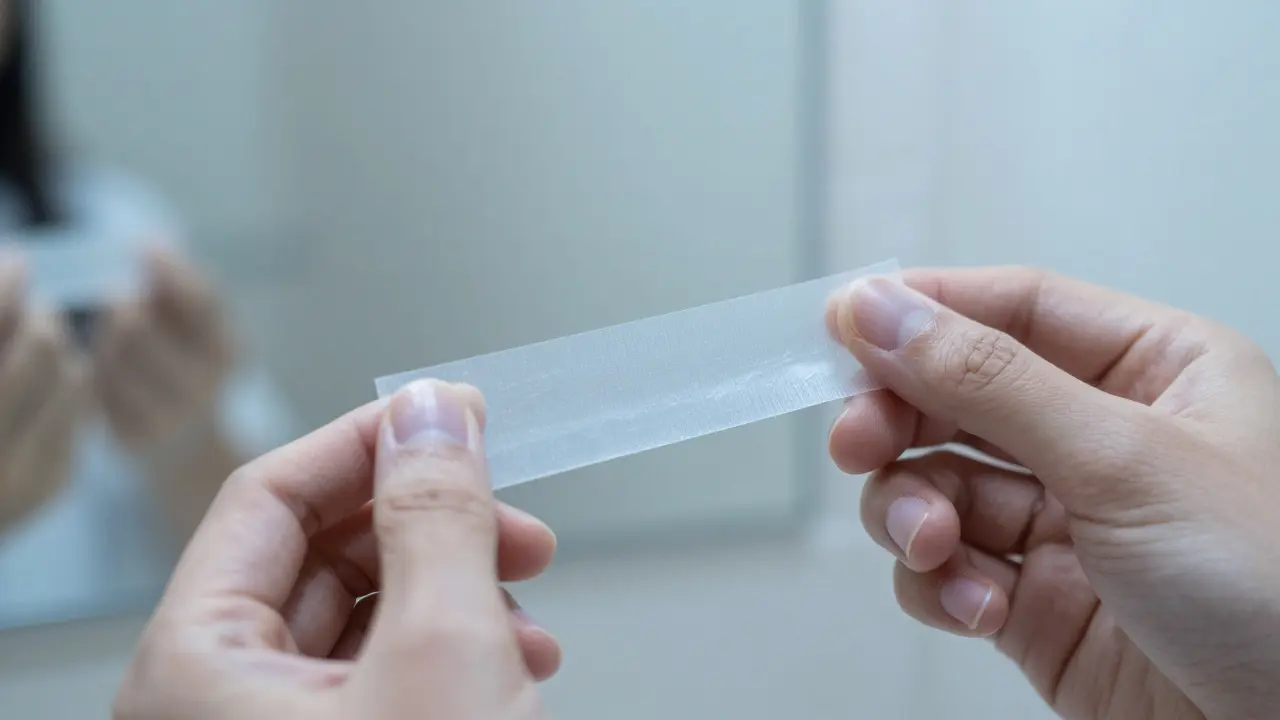
Standard male condoms work for oral-penile contact. For oral-vaginal or oral-anal sex, use dental dams - thin sheets of latex or polyurethane. If you can’t find them, cut a condom lengthwise to make a flat sheet. Many pharmacies sell them now, and online retailers offer bulk packs. Don’t overthink it. Just get them.
Step-by-Step Guide
- Before starting, have a quick chat about testing and protection.
- Choose the right barrier: condom for penile contact, dental dam for vaginal/anoral.
- Unroll or unfold carefully - don’t use teeth.
- Apply water-based lubricant if needed (oil-based can break latex).
- Hold the barrier in place during the entire act.
- Dispose of it after use. Never reuse.
Tips for Beginners or Couples
Start slow. Use flavored options if you’re nervous about taste. Practice putting them on during a non-sexual moment - like while watching TV. Make it part of your routine, not a surprise. And remember: it’s not awkward to say, "I’d feel better if we used one." That’s mature. That’s caring.
FAQ: Common Questions About Oral Sex Without a Condom
Can you get an STI from oral sex without a condom?
Absolutely. Herpes, gonorrhea, chlamydia, syphilis, and HPV can all be transmitted through oral sex without protection. You don’t need to see symptoms for transmission to happen. Many people carry these infections without knowing. The mouth and throat are vulnerable areas - especially if you have a sore, cut, or recent dental work. The CDC reports that oral gonorrhea is rising, especially among young adults who don’t use barriers.
How common is throat HPV from oral sex?
HPV is extremely common - about 80% of sexually active people will get it at some point. While most strains clear on their own, certain high-risk types can lead to throat cancer. The American Cancer Society estimates that over 70% of oropharyngeal cancers in the U.S. are now linked to HPV, mostly from oral sex. Vaccination helps, but it doesn’t cover all strains. Protection still matters.
Is oral sex safer than vaginal or anal sex?
Compared to unprotected vaginal or anal sex, oral sex carries lower risk of HIV transmission. But for other STIs like herpes, syphilis, and gonorrhea, the risk is similar - especially if there’s contact with sores or fluids. You can’t assume oral sex is "safe." It’s safer with protection. Period.
Do dental dams really work?
Yes. Dental dams are designed specifically for oral-vaginal and oral-anal contact. They’re thin, flexible, and effective when used correctly. Studies show they reduce transmission of herpes and HPV by over 80% when used consistently. If you find them awkward, try flavored versions or use a condom cut open. The goal isn’t perfection - it’s consistency.
Safety and Ethical Considerations
Choosing Qualified Practitioners or Resources
If you’re unsure where to get protection, visit a sexual health clinic or pharmacy. Staff there are trained to answer questions without judgment. Online retailers like Condom Depot or Planned Parenthood’s shop offer discreet shipping. Don’t rely on random online sellers - check reviews and look for FDA-approved brands.
Safety Practices
Here’s what you need to remember:
| Practice | Purpose | Example |
|---|---|---|
| Use a barrier every time | Blocks fluid exchange | Condom for penile, dam for vaginal/anoral |
| Check for sores or cuts | Prevents entry points for infection | Don’t perform oral if you have a mouth ulcer |
| Get regular STI tests | Early detection saves health | Test every 3-6 months if sexually active |
| Don’t share barriers | Prevents cross-contamination | Use one dam per partner, per act |
Setting Boundaries
Protection isn’t negotiable if you’re not comfortable. If your partner refuses to use one, that’s a red flag. You have the right to say no - even if you’ve had sex before. Your health isn’t a compromise.
Contraindications or Risks
Avoid oral sex without protection if either partner has:
- An active herpes outbreak
- Open sores or cuts in the mouth or on genitals
- Recent dental work (fillings, extractions)
- Unexplained bleeding or discharge
- Unknown STI status
If any of these apply, delay contact until healed or use protection.
Enhancing Your Experience with Safer Oral Sex
Adding Complementary Practices
Pair barrier use with regular STI testing and HPV vaccination. Both are powerful tools. Also, practice mindfulness. Being present helps you notice discomfort - physical or emotional - and respond to it.
Collaborative or Solo Engagement
Whether you’re with a partner or alone, safety habits matter. If you’re single, knowing how to protect yourself sets you up for healthier encounters later. If you’re with someone, make it a team effort. You’re not just protecting each other - you’re building trust.
Using Tools or Props
Flavored condoms and dental dams come in berry, mint, and citrus. Some even have textured surfaces for added sensation. Lubricants can make things smoother. Experiment. Find what feels good - and keeps you safe.
Regular Engagement for Benefits
Consistency is key. The more you make protection part of your routine, the more natural it becomes. Soon, it’s just what you do - like brushing your teeth.
Finding Resources or Experts for Safer Oral Sex
Researching Qualified Experts or Resources
Visit your local sexual health clinic. They offer free or low-cost testing and protection. Planned Parenthood and NHS clinics in the UK are great starting points. Look for organizations that use inclusive language and don’t shame behavior.
Online Guides and Communities
Planned Parenthood’s website (plannedparenthood.org) has clear, non-judgmental guides. The CDC’s STI pages (cdc.gov/std) are authoritative. Reddit communities like r/sexeducation also have thoughtful discussions - but always cross-check advice with official sources.
Legal or Cultural Considerations
In the UK, sexual health services are free and confidential for anyone over 16. You don’t need parental consent. In other countries, laws vary. Know your rights. Privacy is protected by law in most places.
Resources for Continued Learning
Check out "The Guide to Getting It On" by Paul Joannides or "Come As You Are" by Emily Nagoski. Both are grounded in science and written with warmth. Podcasts like "Sex With Emily" or "The Pleasure Map" offer accessible insights.
Conclusion: Why Safer Oral Sex is Worth Exploring
A Path to Healthier Intimacy
Oral sex doesn’t have to be risky. You don’t have to give it up. You just need to equip yourself with knowledge and tools. Protecting yourself isn’t about fear - it’s about care. For yourself. For your partner. For your future.
Try It Mindfully
Start small. Use a condom once. Talk about it. Notice how it changes the experience. Maybe it feels more connected. Maybe it feels more respectful. Either way, you’re doing better than most.
Share Your Journey
Tried using a dental dam for the first time? How did it go? Share your experience in the comments - you might help someone else feel less alone. Follow for more honest, practical advice on sex, health, and relationships.
Some links may be affiliate links, but all recommendations are based on research and quality.
Word count: 1,723
Suggested Images
- A hand holding a flavored condom beside a dental dam on a bedside table
- Two people smiling while talking, with a condom and dental dam visible on a nightstand
- A close-up of a dental dam being unrolled slowly
- A person holding a small bag labeled "STI Test Kit" with a calm expression
- A simple infographic: "Oral Sex Risks vs. Protection" with icons for herpes, HPV, and condoms
Suggested Tables
- Comparison of Sexual Activities and STI Transmission Risk (already included)
- Key Safety Tips for Oral Sex (already included)
- Common STIs Transmitted Through Oral Sex (columns: STI, Transmission Risk, Symptoms, Prevention)